PRINCIPLES OF A CLASSICAL CURRICULUM
You have been tasked with a great responsibility - that of educating yourself or of educating others.
But what is Education?
What is the purpose, the point, the telos of Education?
What even is a curriculum?
And what is it that makes a curriculum “classical”?
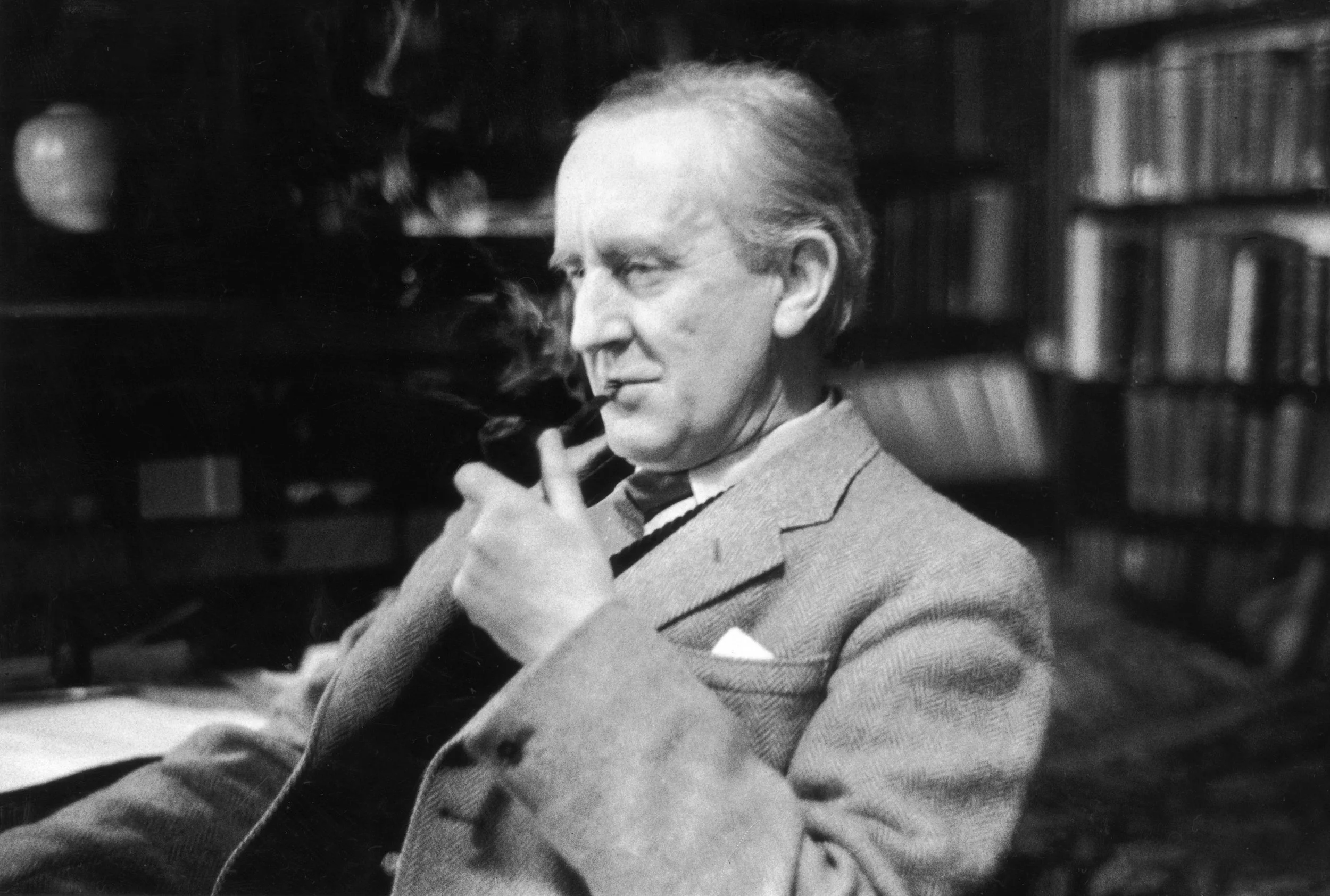
"All we have to decide is what to do with the time that is given us.." - Gandalf to Frodo, LOTR Book I, chapter 2 (JRR Tolkien)
"All we have to decide is what to do with the time that is given us.." - Gandalf to Frodo, LOTR Book I, chapter 2 (JRR Tolkien)
-
Item description
-
Also known as “Gyges’ Ring” from the work “The Republic”
-
From the work “The Republic”
-
Set against the character of Gyges.
From the work “The Republic”
-
“The Three Ways” and “The Four”
-
The Three Ways
-
The four ways
The Classical Understanding of the SCIENTIFIC METHOD
-
Description text goes here
-
-
The development of EDUCATION
The Nature and Purpose of Education
9 PRINCIPLES
The principle of
THE GREAT CHAIN OF BEING
The principle of the LOGOS
“the Love that moves the sun and the other stars.”
The principle of PIETAS
and Ordo Amoris
The principle of THAUMA
“all philosophy begins in wonder”
The principle of the GNOMON
“Unless a seed fall into the ground and die”
The principle of METANOIA
“the purpose of all art is anagogy”
The principle of RATIO
“a:b::c:d”
The principle of ANALOG
“as above so below”
The principle of LOVE
“God so loved the world”